Child Domestic Workers in Addis Ababa face serious challenges that negatively affect their well-being and contribute to wider social and economic problems. In response, MCDP, in partnership with the Freedom Fund and with funding from the U.S. State Department, implemented the Child Domestic Workers Project. The project objective is to contributing to the efforts of stakeholders towards the reduction of the prevalence of servitude amongst child domestic workers.
A major achievement of the project is the creation of Addis Ababa's first safe space specifically for CDWs. This innovative center serves to:
Build CDWs' confidence, skills, and social networks.
Raise awareness of laws and policies protecting CDWs.
Facilitate access to vital services and entitlements.
The safe space offers a supportive and nurturing environment where vulnerable CDWs particularly those under 18 and at risk of domestic servitude can access mentorship, build trust, and strengthen peer support.
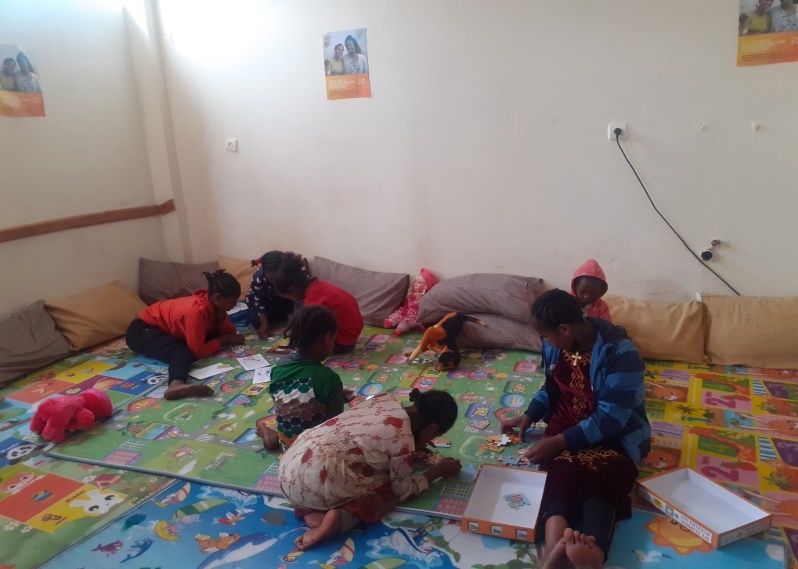
MCDP’s Safe space

Experience sharing among CDWs at Safe Space.
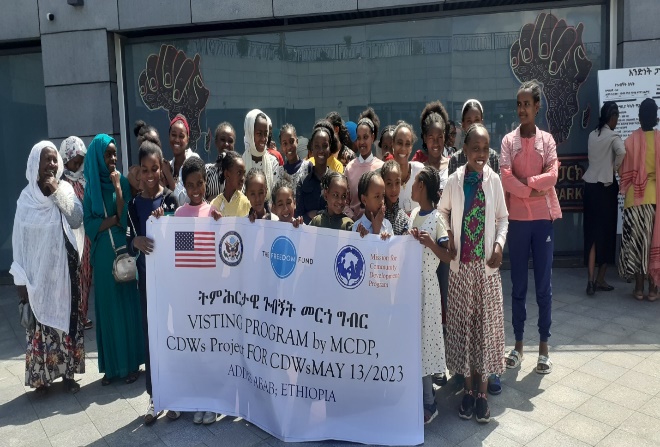
Visit and Training programs for CDWs
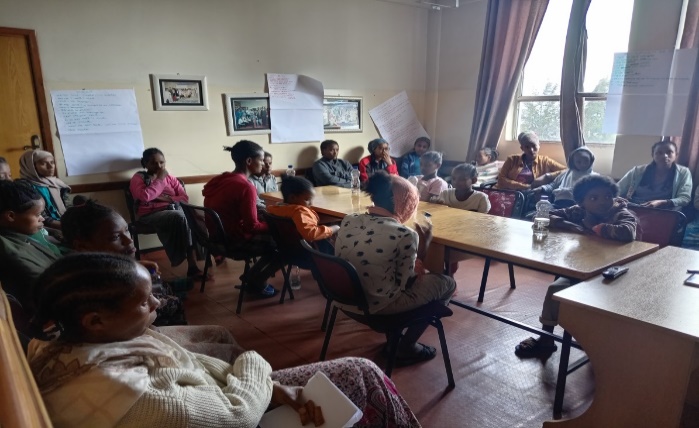
Interface meeting between CDWs and Employers
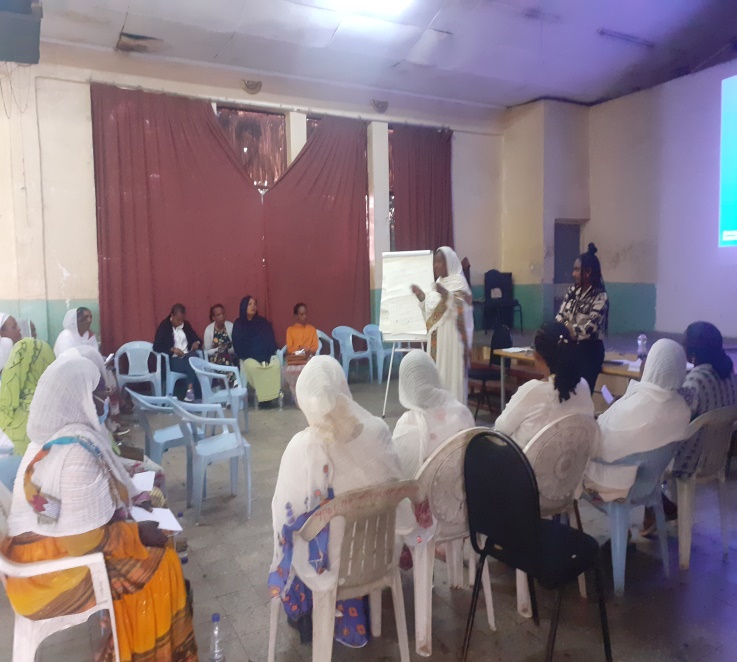
Training on CDWs for Women Iddir leaders
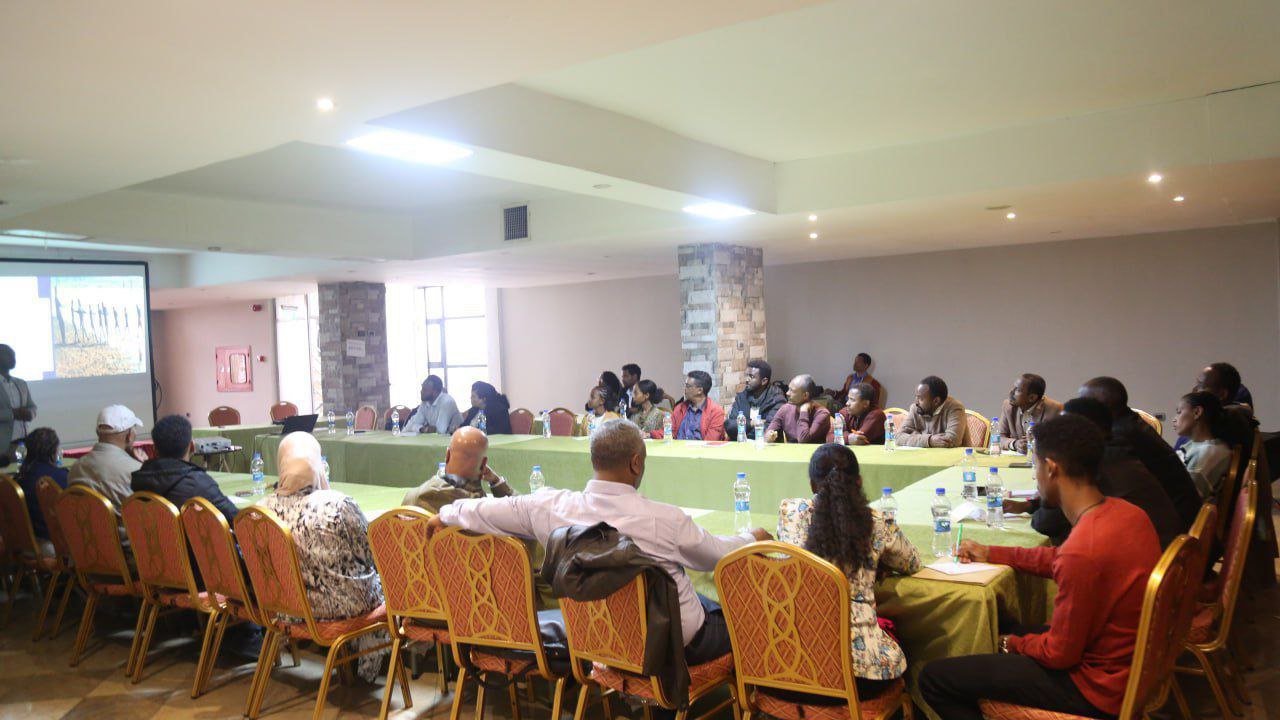
Training on Proclamation 1178/2020(Prevention and Suppression of Trafficking in Persons and Smuggling of Persons) for Stakeholders
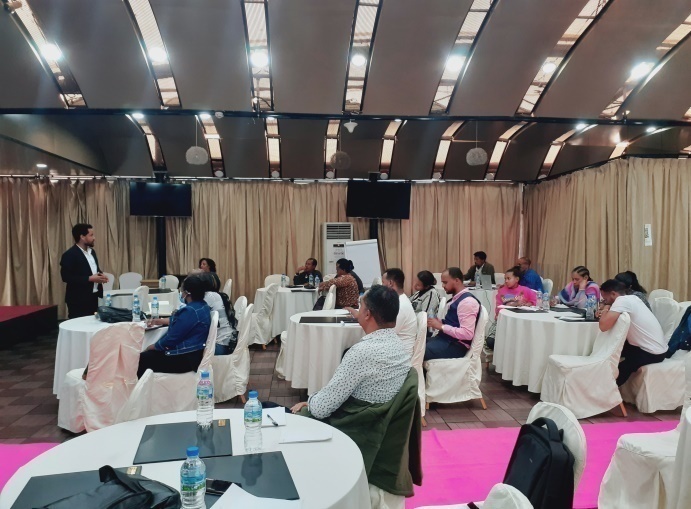
Discussion among Partners and Stakeholders on Advocating Ratification of ILO Convention 189
The project, "Planting Seeds of Peace (Children and Peace)," aims to nurture peace-loving children by promoting coexistence, tolerance, and diversity among children, families, and target communities, ultimately ensuring the rights of children. Implemented in Addis Ababa, this initiative is funded by Kindernothilfe (KNH) and focuses on fostering a culture of harmony and mutual respect from an early age.
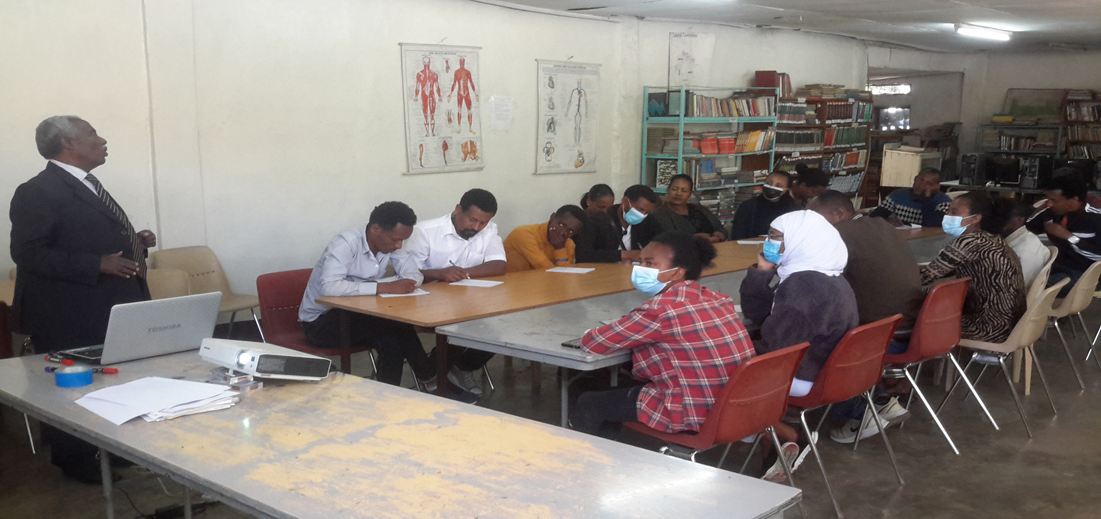
Peace building and Conflict Management Training for Stakeholders.
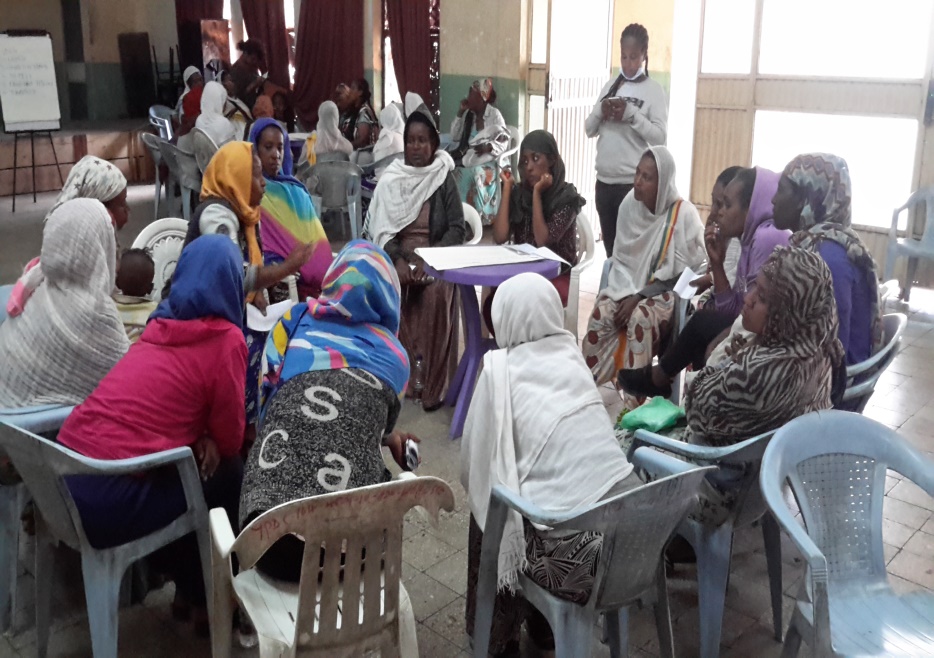
Training on Parental Skills for Parents/guardians
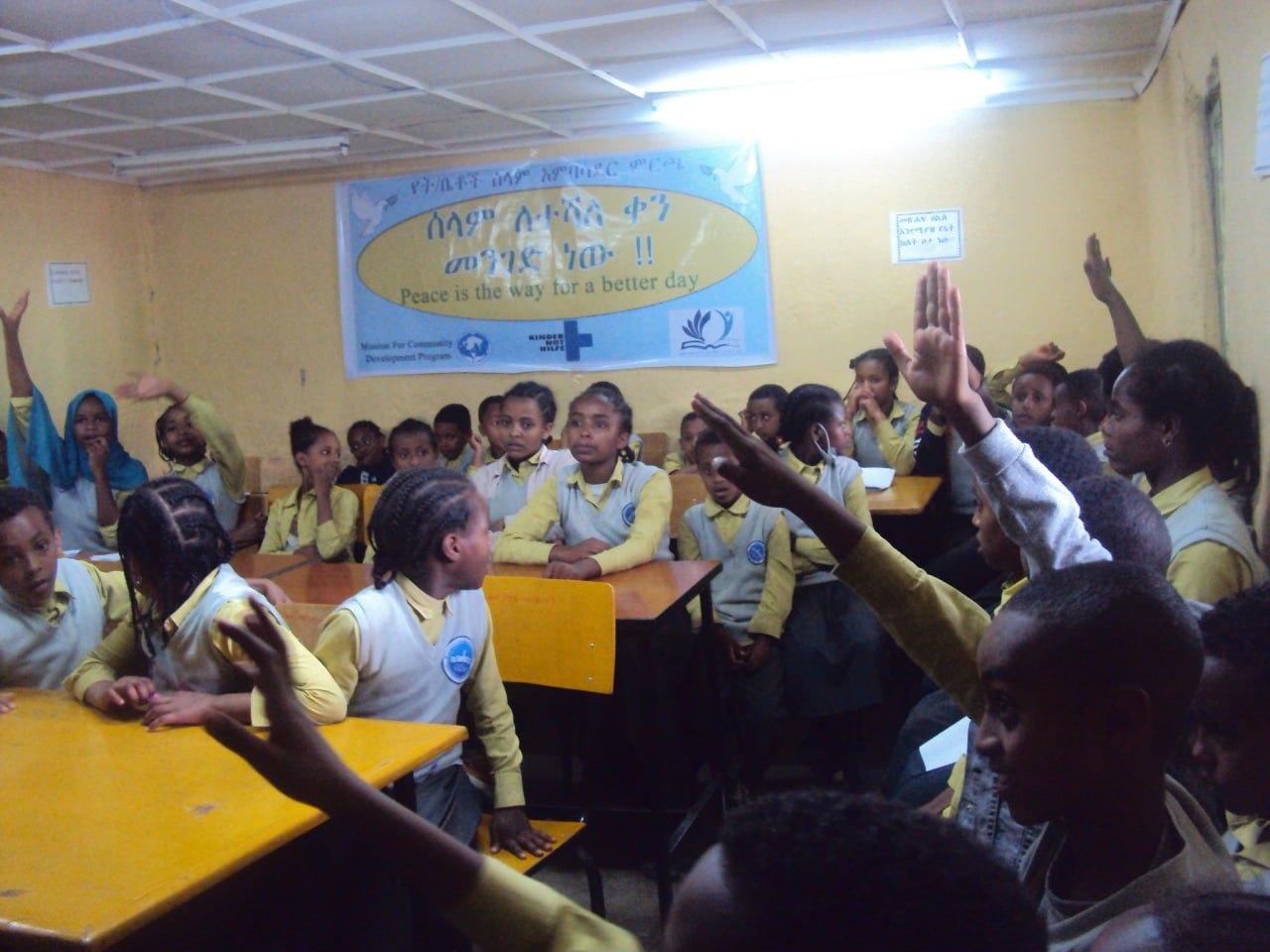
Students at Peace building Training
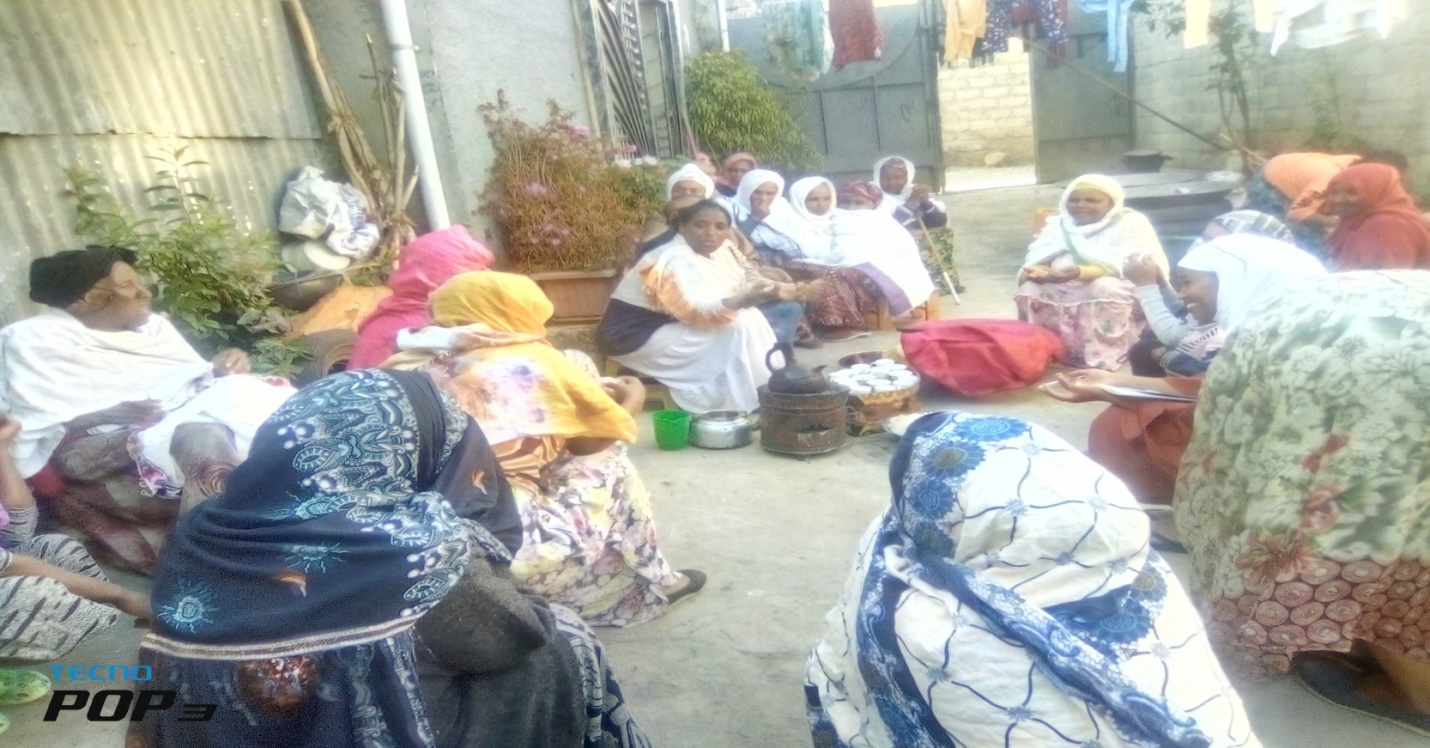
Community Conversation on Peace building
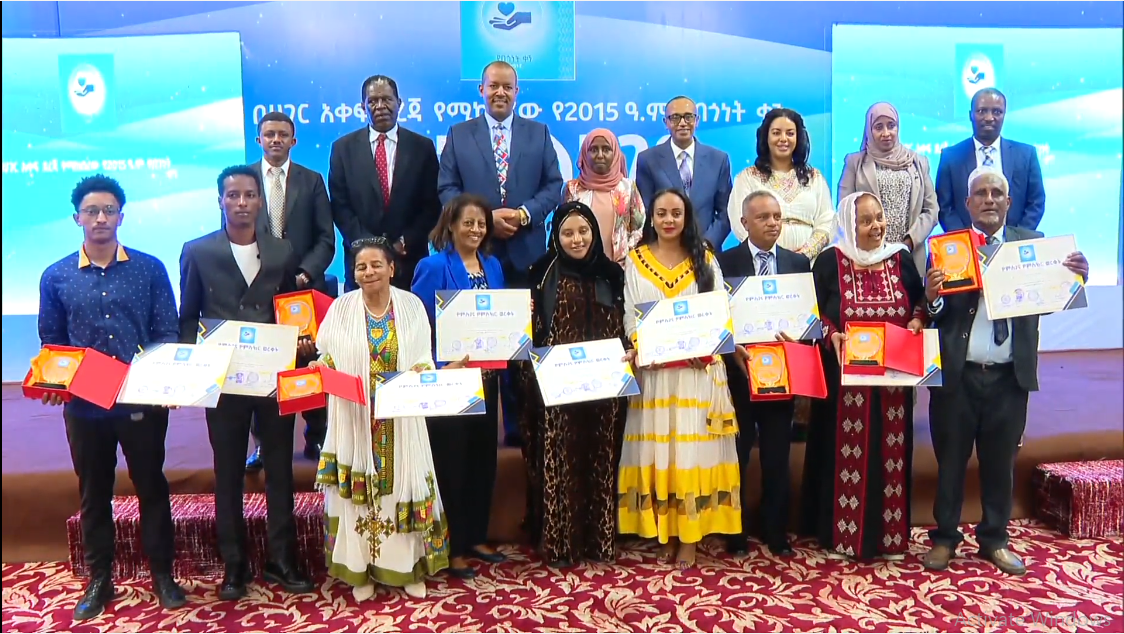
Recognition as Peace ambassador by Ministry of Peace of Ethiopia
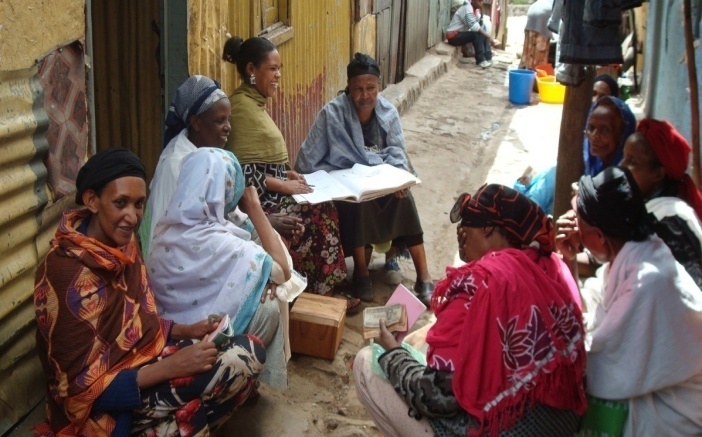
SHG at Weekly Meeting.
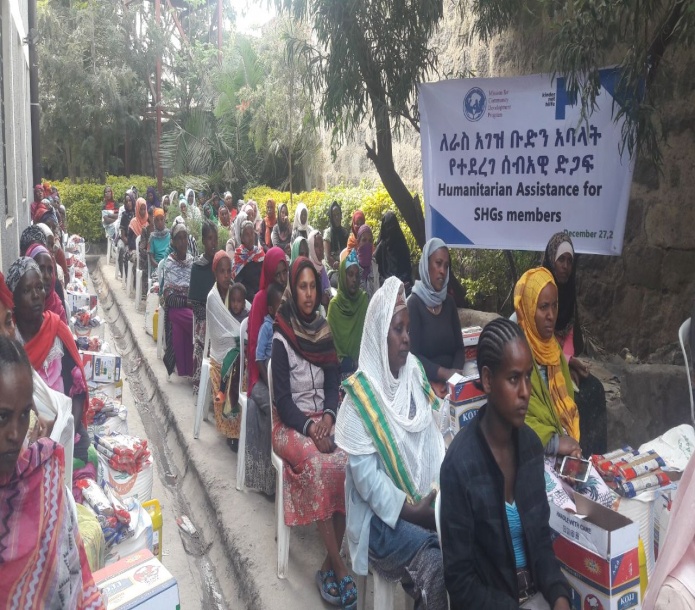
Humanitarian aid response
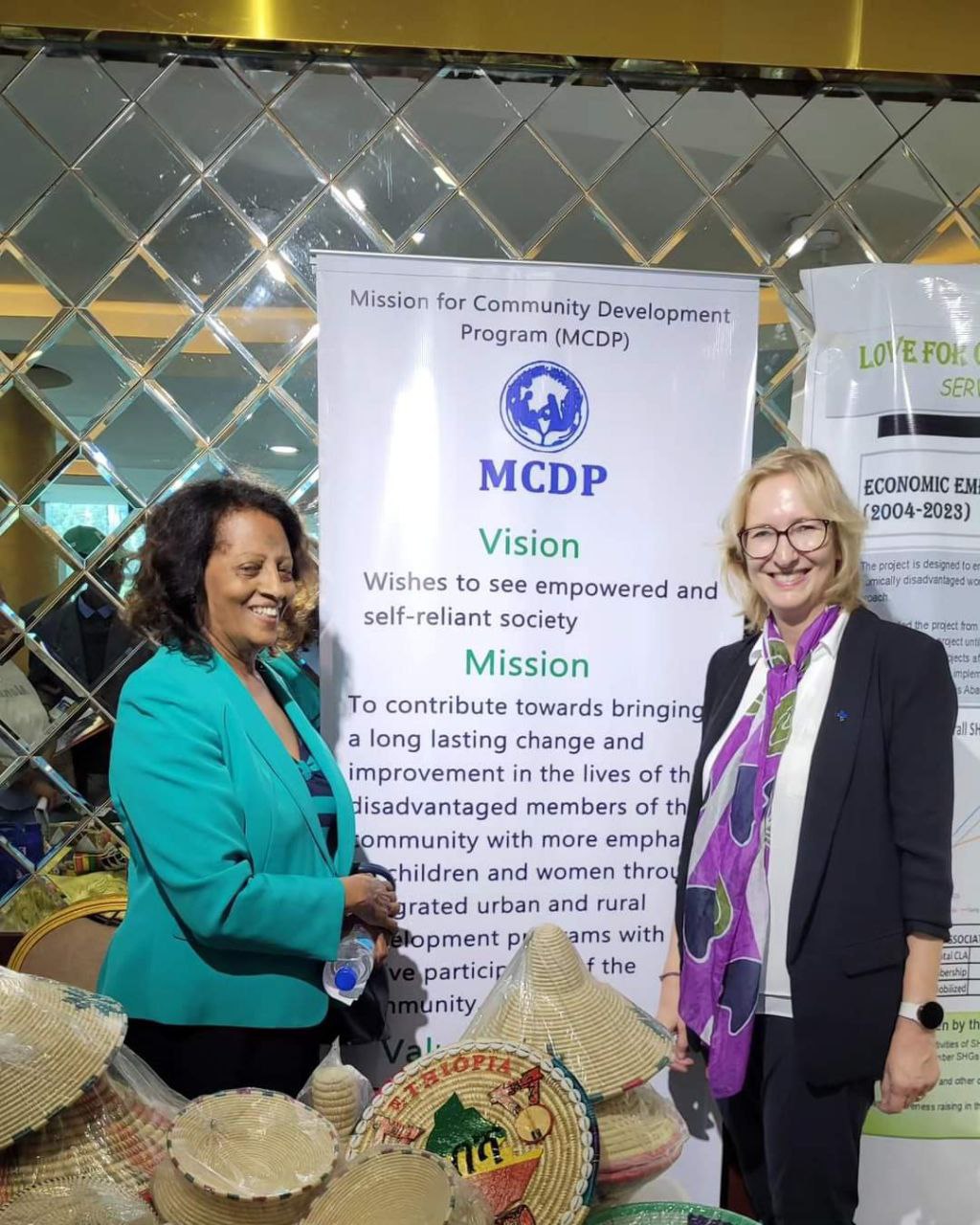
Mrs Mulu and Mrs Katrin Weidemann (KNH CEO) during SHGs day
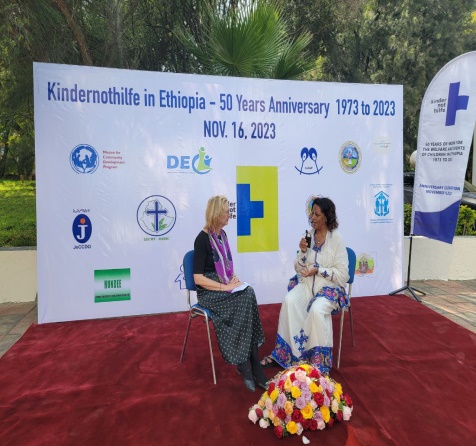
Mrs. Mulu interviewed by Mrs Katrin Weidemann (KNH CEO).
Emergency Response for Conflict-Affected Communities in Adigrat, Tigray
With the financial and technical support of Kindernothilfe (KNH), MCDP implemented an emergency response project in Adigrat and surrounding areas of the Tigray region, delivering critical assistance to survivors of sexual and gender-based violence (SGBV) and conflict-affected children.
This emergency intervention reached 1,000 SGBV survivors and conflict-affected children, addressing both their immediate and long-term needs through a holistic support approach:

Distribution of Flour
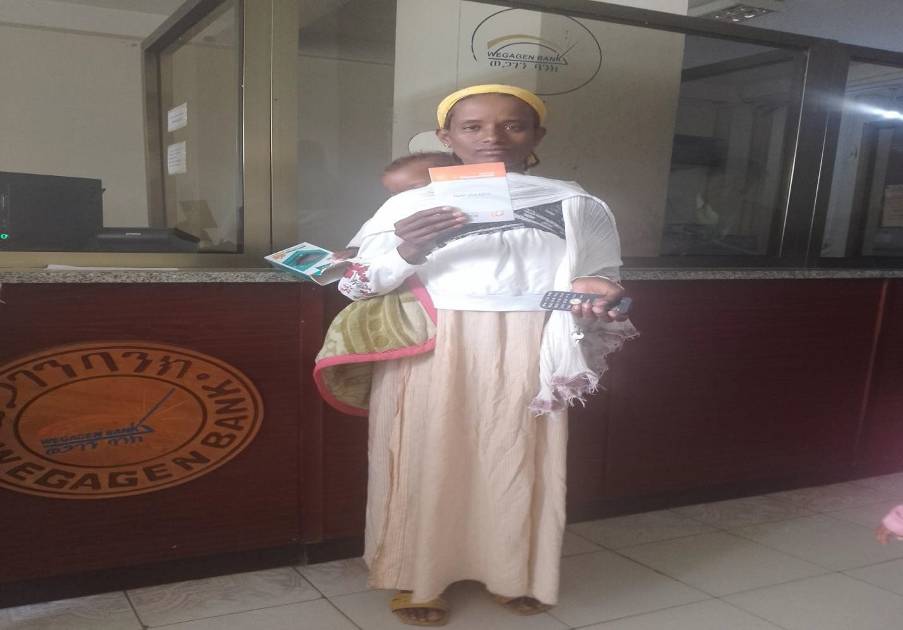
Transferring of Unconditional cash through Bank.
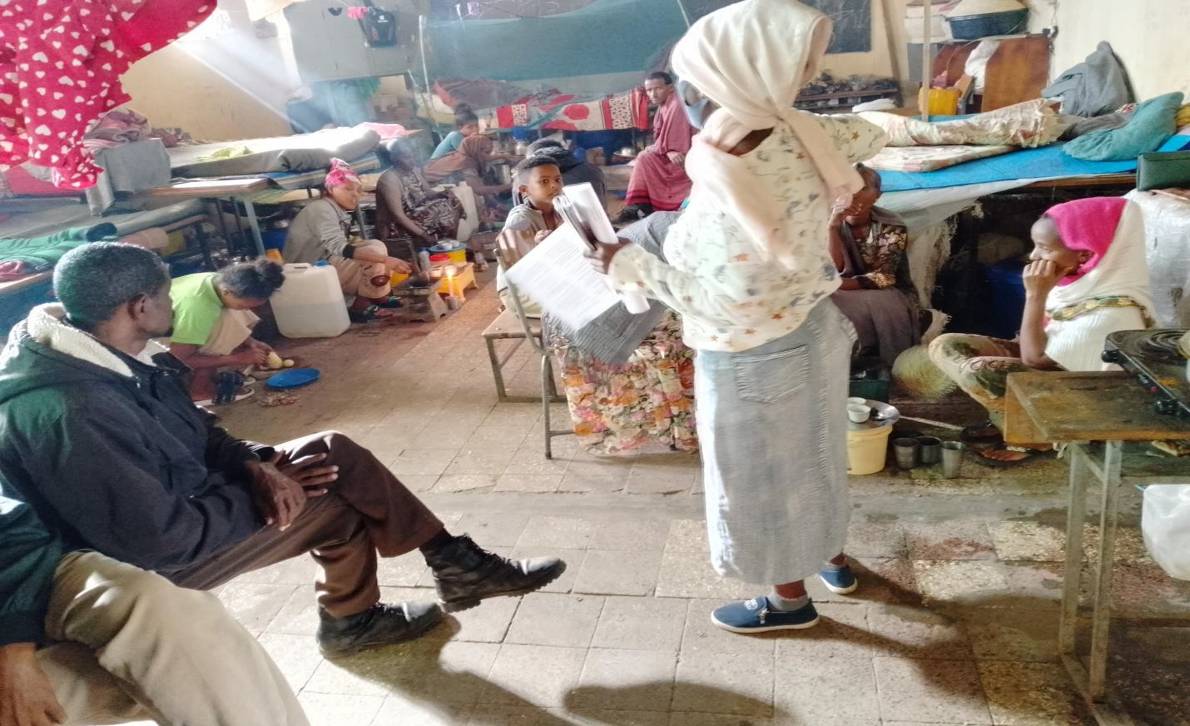
Educating on Sanitation and Hygiene at IDP Center
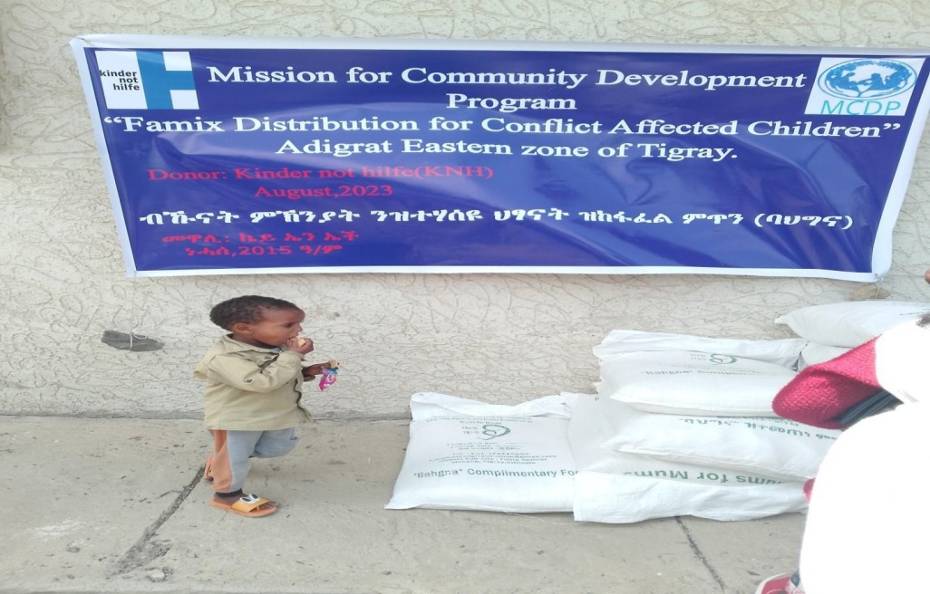
Distribution of Therapeutic Food
The project is being implemented in Adigrat Town, Edagehamus, and Fatsi Woreda (Eastern Zone, Tigray, Ethiopia) with funding from Kindernothilfe (KNH). Its primary objective is to facilitate the holistic recovery of war-affected women and children by providing psychosocial support to heal trauma and sustainable livelihood opportunities to restore economic independence.
Key achievements include mental health counselling, skills training, and income-generating activities, empowering survivors to rebuild their lives with dignity and resilience.
MCDP’s ongoing project has made significant strides in supporting 1,480 war survivors and vulnerable host community members across Adigrat, Edegehamus, and Fatsi Woreda, fostering both psychological healing and economic recovery.
Under Psychosocial Recovery, the project has provided individual and group therapy sessions, helping survivors process trauma, alleviate distress, and rebuild social connections. Community support groups have further strengthened social cohesion by creating safe spaces for shared healing. Many participants now report improved mental well-being, with restored hope and emotional stability.
In Economic Empowerment, the project has established Savings and Credit Cooperatives (SACCOs), improving financial access for beneficiaries. Through financial literacy and business skills training, women and youth have gained the tools to launch income-generating activities, leading to the successful startup of small businesses. These initiatives have not only enhanced self-reliance but also contributed to local economic revitalization, helping communities rebuild their livelihoods sustainably
By addressing both emotional trauma and financial instability, the project has created a foundation for long-term recovery, empowering survivors to reclaim their dignity and independence.
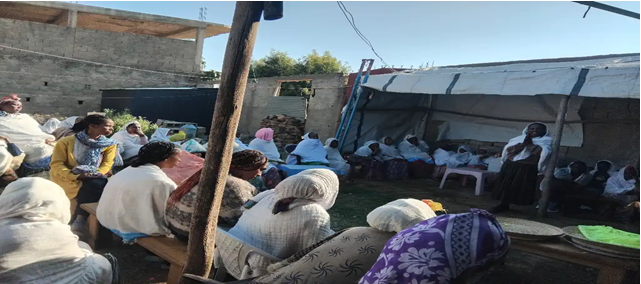
Community Education on Importance of Psychosocial Support
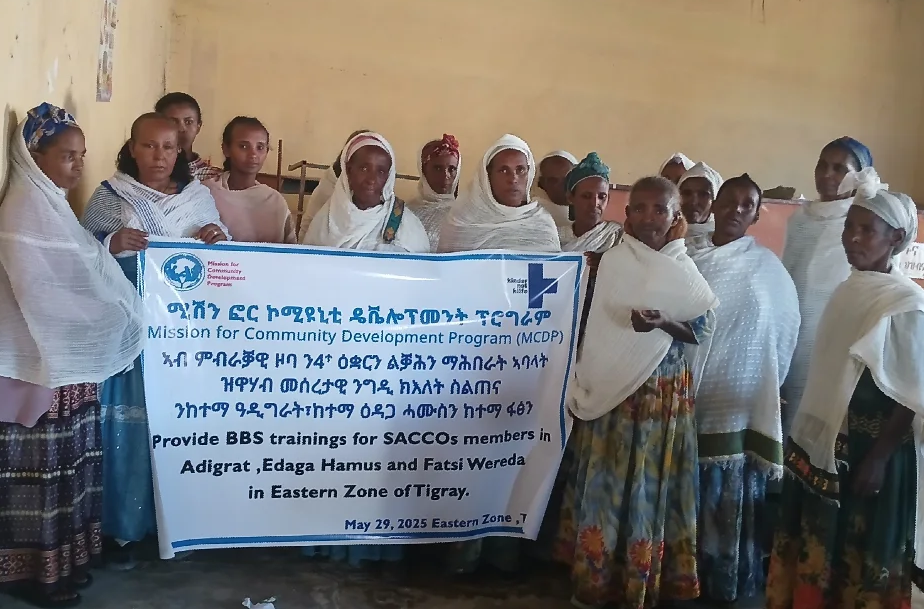
BBS Training Participants
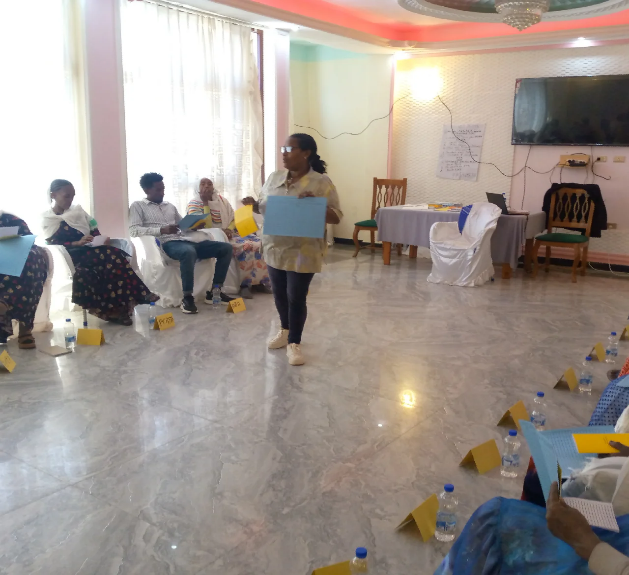
BBS Training
The project, Integrated Humanitarian Aid for Conflict-Affected Communities in the Amhara, Afar, and Tigray Regions of Ethiopia," seeks to enhance access to food, cash assistance, and vital goods and services for internally displaced persons (IDPs) in these conflict-impacted areas. Implemented by a consortium of three local partners—Mission for Community Development Program (MCDP) in Tigray, Rohi Weddu Pastoral Women Development Organization (RW) in Afar, and JeCCDO in Amhara—the project directly supports 8,000 IDPs.
In Tigray, MCDP operates in the Agazi, Meidia-Agame, and Commission IDP camps in Adigrat town to directly supports 3300 IDPs. Funded by GFFO/KNH, the project addresses urgent humanitarian needs while strengthening local response efforts.
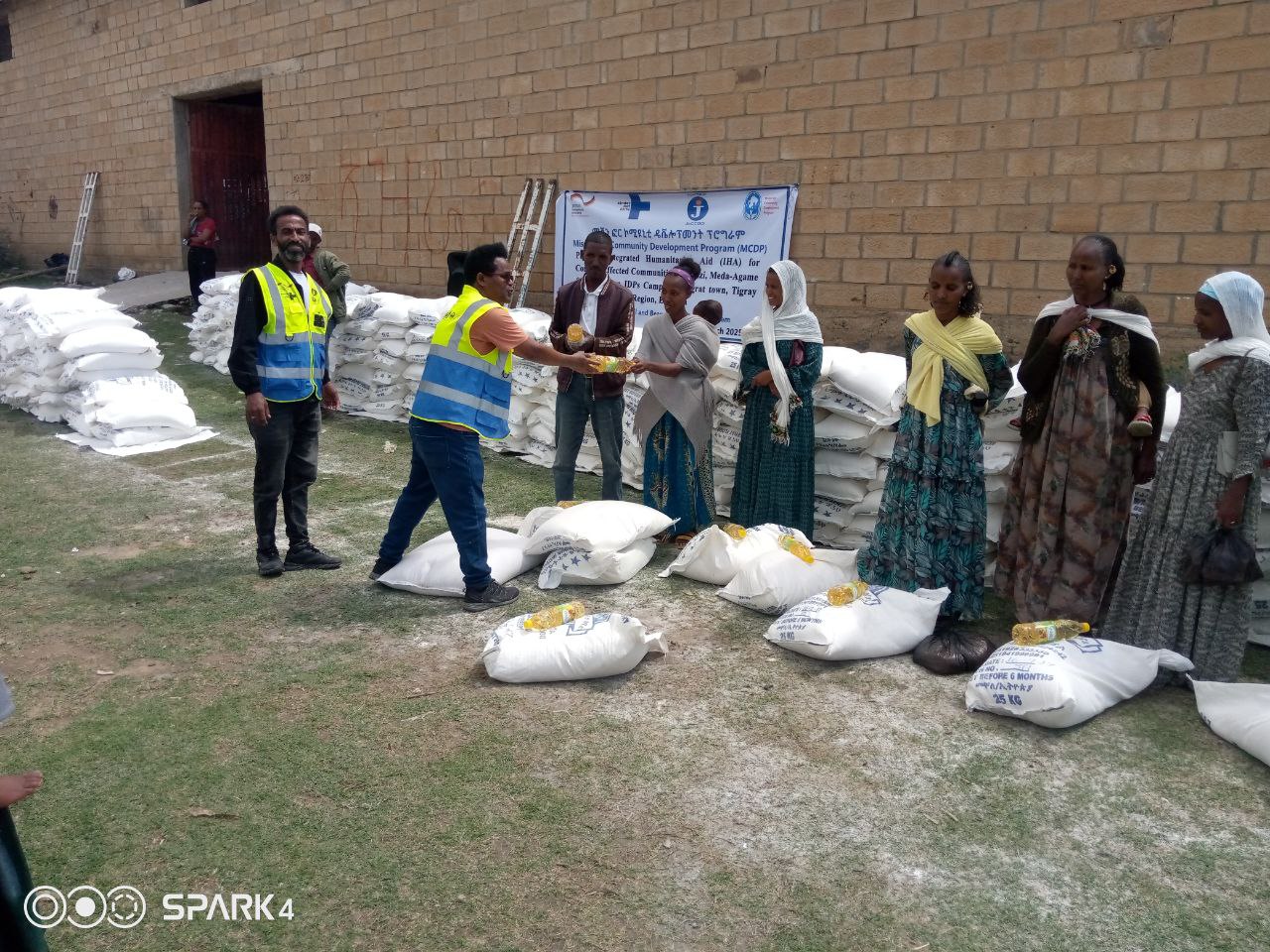
The project successfully distributed essential food items—including wheat flour, edible oil, and beans—to 3,300 internally displaced persons (IDPs) across target camps, ensuring immediate relief for vulnerable households. These interventions have significantly improved food security and stabilized living conditions for displaced families.
To support economic recovery and basic needs, cash assistance was provided to 410 IDPs, enabling them to purchase essential goods according to their priorities. Furthermore, critical non-food items (NFIs) such as water basic, jerry can and multi-purpose soap were distributed to 440 displaced HHs, enhancing their living standards and dignity.
To safeguard women, children, people with disabilities, and other marginalized groups, community-based protection mechanisms were established in Agazi, Meidia-Agame, and Commission IDP camps. The project also strengthened the capacities of 110 duty bearers and 30 health advisors on protection principles, ensuring better response to rights violations. Ongoing psychosocial support is being provided to vulnerable individuals, helping them cope with trauma and rebuild their lives
To foster social cohesion, training on peaceful coexistence and conflict resolution was conducted for civil society organizations (CSOs), women’s and youth groups, volunteers, and community elders. Regular dialogue forums are now being organized, providing a platform for open discussions and dispute mediation. These efforts have contributed to reduced tensions between IDPs and host communities, promoting long-term stability.
The project is improving WASH conditions by training health advisors on hygiene promotion and conducting awareness campaigns to encourage safe practices. Water treatment chemicals and sanitary materials were distributed, while safe drinking water access was expanded through repairs and maintenance of water points. Additionally, gender-separate sanitation facilities were installed, ensuring privacy and safety for women and girls. These interventions have reduced waterborne diseases and improved overall public health in the camps.
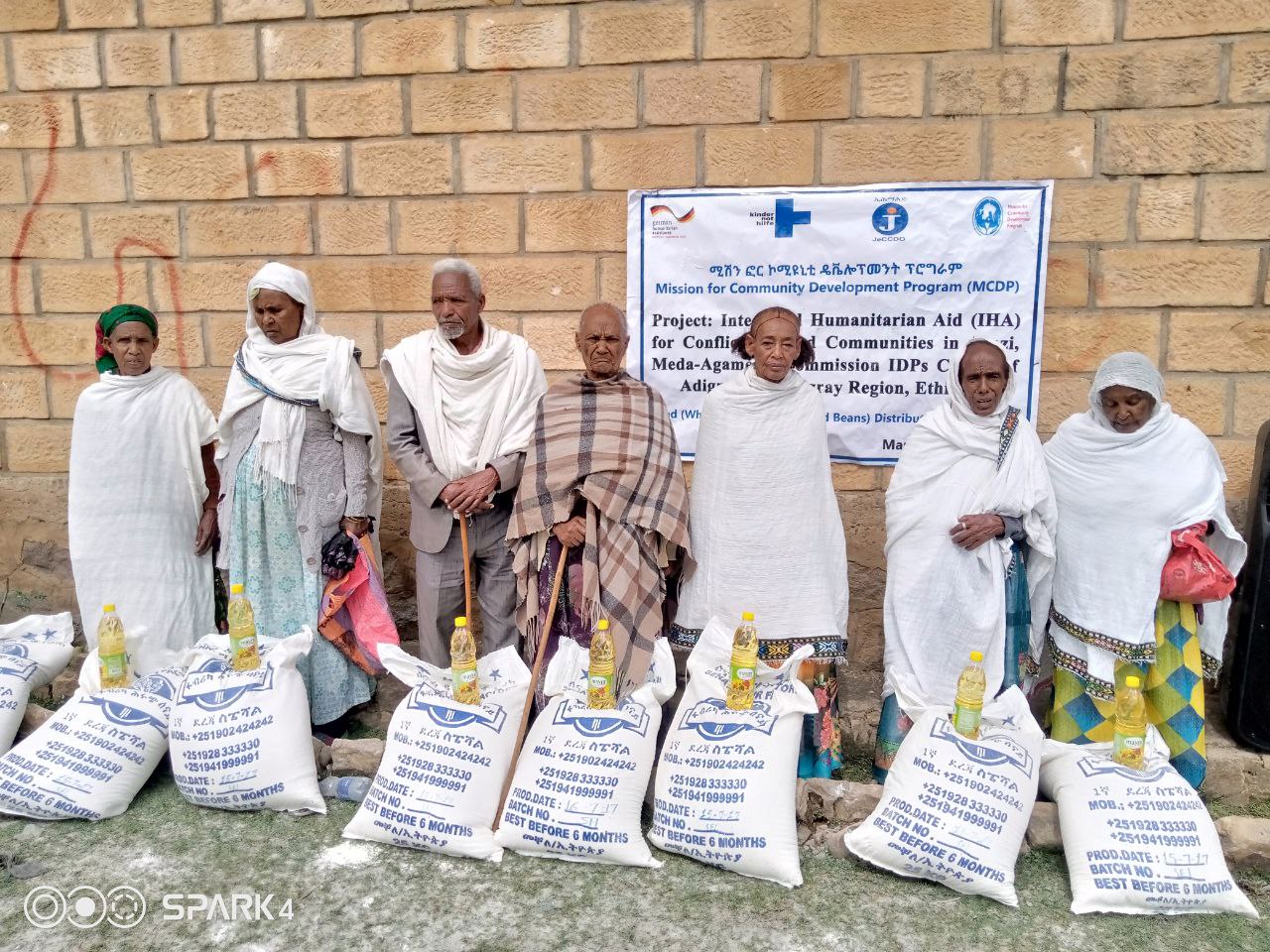
Humanitarian Aid for Conflict-Affected Communities in Tigray.
CDWs interacting in the safe space environment.
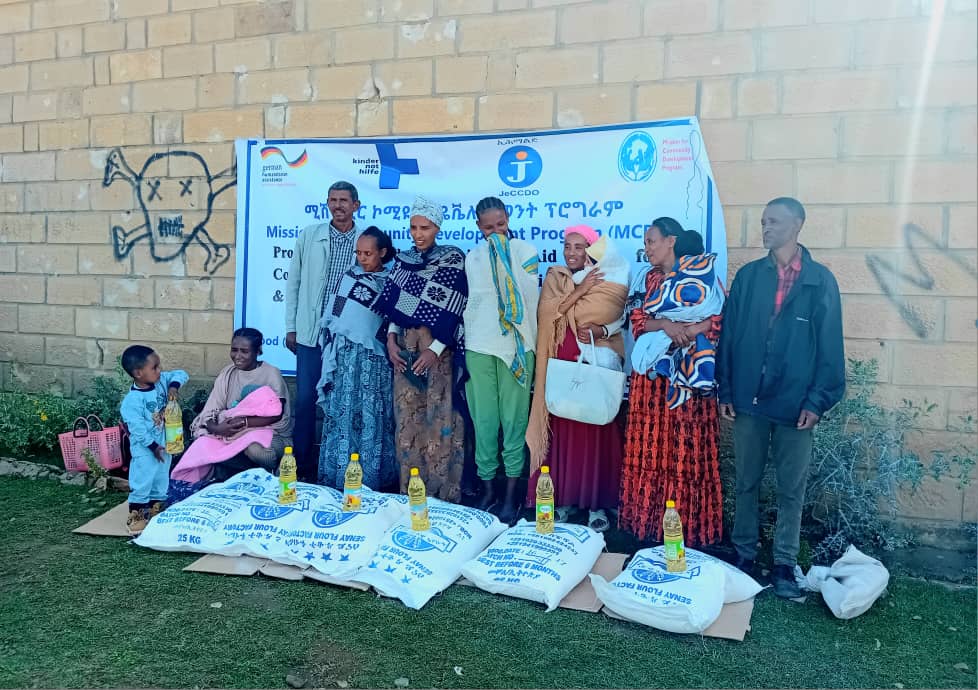
Humanitarian Aid for Conflict-Affected Communities in Tigray.
MCDP fosters sustainable development by establishing Savings and Credit Cooperatives (SACCOs), equipping low-income communities with financial access, essential skills, and income-generating opportunities. Our SACCOs program operates across multiple regions, including Addis Ababa (Addis Ketema, Arada, Kirkos, Nefas Silk, Lideta), the Southern Regions (Chencha, Dita, Daramalo, Sheger Wolete), Tigray (Adigrat, Mebrakawi Zone, Kebele 01 & 03), as well as Fatsi Woreda and Edagahamus Woreda, empowering marginalized groups to achieve economic resilience and self-reliance.
MCDP's SACCOs initiative drives financial empowerment through seven core objectives: promoting a culture of savings, combating child trafficking and migration by enhancing economic stability, strengthening community cohesion and financial independence, protecting members from exploitative lenders, supporting self-employment and entrepreneurship, improving household income and children's education, and increasing access to banking and financial services. Currently, this transformative program has successfully established 75 SACCOs serving 18,195 members (12,222 of whom are women), with a combined capital of 35,436,232 ETB, demonstrating tangible progress in fostering inclusive economic growth and social protection
MCDP's interventions have delivered measurable impacts across multiple dimensions of poverty reduction and community empowerment. By facilitating income-generating activities, we have created sustainable livelihood opportunities that lift families out of poverty while stimulating local economies. Our holistic approach has also improved living conditions through enhanced access to housing, electricity, and water meters – essential utilities that elevate quality of life.
Recognizing that true development requires addressing fundamental needs, we have strengthened food security while removing barriers to education access, ensuring children can pursue learning without hunger-related interruptions. Strategic investments in productive assets like Kolo-producing machines have boosted local food processing capacity, creating both nutrition solutions and income streams.
Women's advancement remains central to our mission, with targeted programs fostering female empowerment and leadership development – equipping women with skills, confidence, and decision-making authority. Financially, we've achieved milestones like purchasing shares in Addis International Bank, giving members ownership in formal financial institutions, while our investment in GERD bonds demonstrates our commitment to Ethiopia's national development priorities. Together, these achievements represent a comprehensive model for community transformation
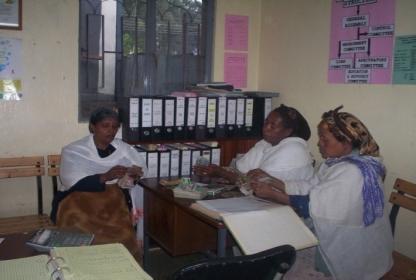
Savings and Credit Cooperatives (SACCOs)
Savings and Credit Cooperatives (SACCOs)
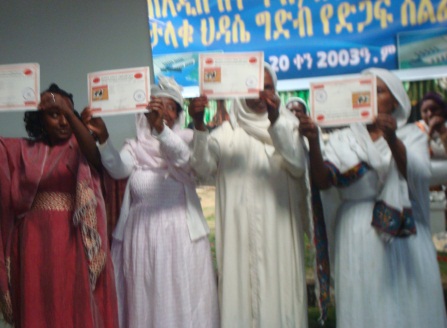
Savings and Credit Cooperatives (SACCOs)