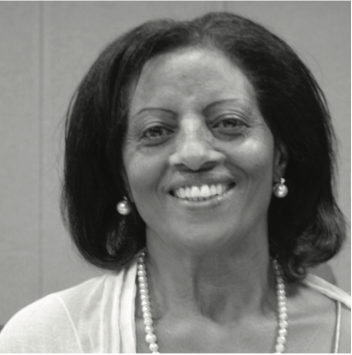
Executive Director Mulu Haile — MCDP
Mulu Haile Founder & Executive Director

About MCDP


Mission for Community Development Program (MCDP) is a local non-governmental and nonprofit organization established in 1998 and re-registered in 2019 under Civil Societies Proclamation No. 1113/2019. For the past 27 years, MCDP has a good track record of success and partnership with grassroots communities, government and donor partners towards designing and implementing community-driven projects across Addis Ababa, SNNPR (Southern Nation , Nationalities and Peoples region), Oromiya, and Tigray regions.Currently FC is implementing its fourth SPM which runs from 2026 to 2030.

Mission

To empower disadvantaged communities especially women and children through participatory urban and rural development programs that create sustainable change

Vision

To see empowered and self-reliant society in Ethiopia

Core Values

Equity & Inclusion

We actively break barriers to ensure all community members—regardless of identity or circumstance—have equal access to opportunities and a voice in shaping their futures.

Empowerment with Dignity

We champion self-reliance by respecting individual agency, fostering skills, and creating pathways for marginalized groups to thrive without dependency.

Integrity & Accountability

We uphold the highest ethical standards, transparently stewarding resources and honoring commitments to communities, donors, and partners.

Community-Driven Solidarity

We prioritize local leadership, co-create solutions with those we serve, and stand united with communities in their struggles and triumphs.

Core Program Areas

Over the coming five strategic period, MCDP will concentrate on carefully selected, high-impact interventions designed for sustainability and scalability. Our work will be anchored in seven foundational program frameworks that guide our approach to creating lasting change

Program Thematic Areas

Over the coming five strategic period, MCDP will concentrate on carefully selected, high-impact interventions designed for sustainability and scalability. Our work will be anchored in seven foundational program frameworks that guide our approach to creating lasting change.

Livelihood Development & Economic Resilience

Prevention of Irregular Migration & Human Trafficking

Early Childhood Care and Education (ECCE)

Peace Building & Conflict Management

Emergency & Social Protection Programs

Humanitarian-Development-Peace (HDP) Nexus

Health (MHPSS, WASH & Nutrition)

Program Components

Livelihood Development and Economic Resilience

Objective: Empower vulnerable communities to achieve self-reliance through sustainable economic opportunities.

Key Interventions:

  • Skills training (vocational, agricultural, entrepreneurship)
  • Microfinance and savings groups to enhance financial inclusion
  • Market linkages and value-chain development
  • Climate-smart livelihood strategies for resilience

Target Groups: Youth, women, returnees, marginalized populations

Outcome: Reduced poverty, increased household income, strengthened resilience to economic shocks

Prevention of Irregular Migration and Human Trafficking

Objective: Reduce risks of exploitation by addressing root causes of unsafe migration.

Key Interventions:

  • Community awareness campaigns campaigns on migration risks and legal pathways
  • Livelihood alternatives and education opportunities for at-risk youth
  • Strengthening local protection systems (e.g., anti-trafficking committees)
  • Advocacy for policies protecting migrants’ rights

Target Groups: Potential migrants, survivors of trafficking, Child Domestic workers(CDWs) and high-risk communities

Outcome: Decreased irregular migration, enhanced community vigilance, and improved access to safe alternatives

Early Childhood Care and Education (ECCE)

Objective: Ensure children aged 0–8 years thrive through holistic support.

Key Interventions:

  • Parental education on nurturing care and early learning
  • Community-based ECCD centers and preschool programs
  • Nutrition supplementation and health screenings
  • Training for caregivers and teachers
  • Advocacy on ECCE programs

Target Groups: Children under 8, parents, caregivers

Outcome: Improved cognitive, emotional, and physical development; increased school readiness

Peace Building and Conflict Management

Objective: Foster inclusive peace and reduce violence in conflict-prone areas.

Key Interventions:

  • Dialogue platforms for reconciliation among conflicting groups
  • Youth and women leadership in peace initiatives
  • Conflict-sensitive livelihood programs to address economic drivers of violence
  • Advocacy for inclusive governance and justice

Target Groups: Conflict-affected communities, women, youth, local leaders

Outcome: Enhanced social cohesion, reduced violence, community-led conflict resolution

Emergency and Social Protection Programs

Objective: Provide immediate relief and long-term security for crisis-affected populations.

Key Interventions:

  • Cash transfers and food support during emergencies
  • Disaster risk reduction (DRR) training and infrastructure
  • Social safety nets (e.g., pensions, disability grants)
  • Protection services for gender-based violence (GBV) survivors

Target Groups: IDPs, disaster-affected households, marginalized groups

Outcome: Stabilized livelihoods, reduced vulnerability, faster recovery post-crisis

Humanitarian-Development-Peace (HDP) Nexus

Objective: Bridge gaps between relief, development, and peace efforts for sustainable impact.

Key Interventions:

  • Integrated programming (e.g., livelihood support in post-conflict zones)
  • Joint planning with governments, NGOs, communities
  • Conflict-sensitive aid delivery to avoid exacerbating tensions

Target Groups: Communities in fragile or transitional contexts

Outcome: Cohesive interventions that address immediate needs while building long-term resilience

Health (MHPSS, WASH, and Nutrition)

Objective: Improve physical and mental well-being through integrated health services.

Key Interventions:

  • Mental Health and Psychosocial Support (MHPSS): Counseling and community support groups.
  • WASH: Clean water access, sanitation facilities, and hygiene education
  • Nutrition: Supplementary feeding, maternal/child nutrition programs

Target Groups: Women, children, trauma survivors, underserved communities

Outcome: Reduced disease, improved mental health, better nutritional status

Cross-Cutting Themes

All programs prioritize gender equality, climate adaptation, disability inclusion, and local ownership. These thematic areas collectively address systemic inequalities, empower communities, and foster sustainable development in line with MCDP’s vision.

Areas of Operational Presence

Addis Ababa City Government

Southern Nations, Nationalities, and Peoples’ Region (SNNPR)

Oromiya National Regional State

Tigray National Regional State

Networking

MCDP is an active member of the following National, Regional and International networks:

National Membership

  • Consortium of Christian Relief and Development Association (CCRDA): Ethical Panel Committee Members, Urban Development Forum and Youth and Children Forum
  • Consortium of the Self Help Group Approach Promoters (CoSAP), Board Member
  • Union of Ethiopian Women Charitable Association (UEWCA), Board Member

Regional Membership

  • IGAD, CSO/NGO Forum Chair
  • SIHA (Strategic Initiatives for Women Leaders in the Horn of Africa), Member
  • G-40 (Involvement of Women in Peace and Security), Member
  • African Movement for Working Children and Youth (AMCWY), Observatory Status in the African Union (AU)

International Membership

  • Soroptimist International Club Member (Addis Ababa Branch)
  • Global Modern Slavery Coalition

Organization Policies, Guidelines & Strategic Plan

MCDP has developed and implemented key policies and guidelines that support its vision and mission. Major ones include:

Organizational Frameworks & Manuals

Monitoring & Evaluation Framework

The purpose of this framework is to guide MCDP in tracking projects, improving planning, monitoring, and evaluating activities to achieve desired goals.

  • Provides structure for project tracking and performance measurement.
  • Defines objectives, scope, and reporting framework.
  • Strengthens data-based decision-making and accountability.

Resource Mobilization Manual

This manual builds the skills needed by MCDP to systematically mobilize resources for projects and programs.

  • Guides sustainable and diversified fundraising approaches.
  • Enhances institutional resource mobilization capacity.
  • Promotes strategic donor engagement and partnership building.

Videos

MCDP: Positive discipline in every day aspect | Child Protection

Nutrition and Basic Health | MCDP Ethiopia

MCDP: Positive discipline in every day aspect | Child Protection
Deep Gratitude to Our Valued Partners and Donors

Partner 1 Partner 4 Partner 5 Partner 7 Partner 8 Partner 9 Partner 10 Partner 11 Partner 12 Partner 14 Partner 15 Partner 17 Partner 18 Partner 19 Partner 20 Partner 20 Partner 20 Partner 20 Partner 20 Partner 20 Partner 20 Partner 20 Partner 20 Partner 20 Partner 20